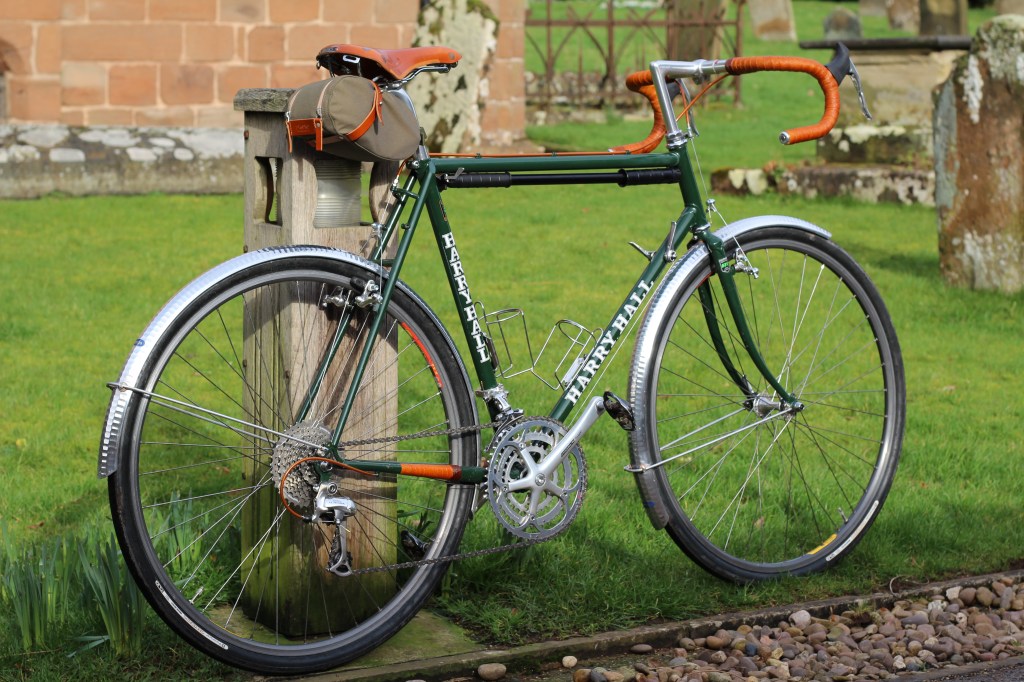
Right out of the driveway, past the scar of the HS2 building works, and then it’s a left. Another right and left, then stick to the same road before a final left: Meriden. Pleasant valley in old English. Still a nice village but there’s much traffic, and the rumble of the A45, as vehicles pass to and fro between Coventry and Birmingham, is a constant presence. The sprawling conurbations of Coventry and Solihull draw ever nearer from the east and west too – how long before the village is engulfed? Once called the centre of England and now, since the geographical one was located in Leicestershire in the 1920s, the ‘traditional’ centre of England. More importantly it was the destination for The Green Bike’s inaugural ride.
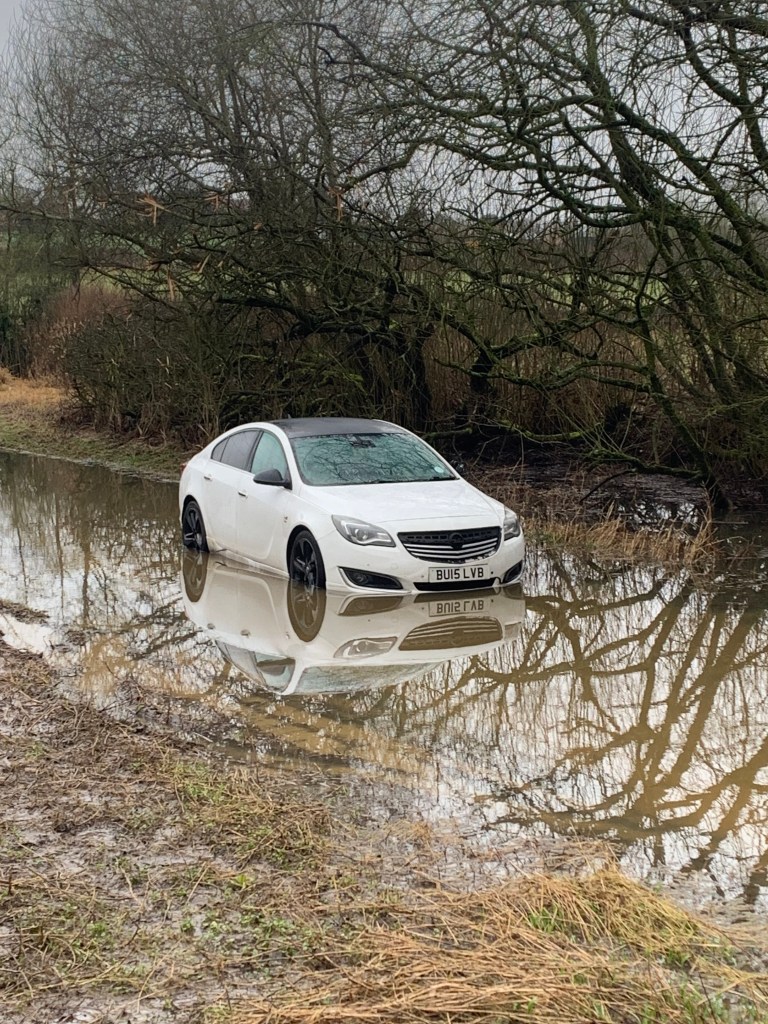
There was a break in the weather. Weather that does this to the lanes, and your car (no sign of the owner).
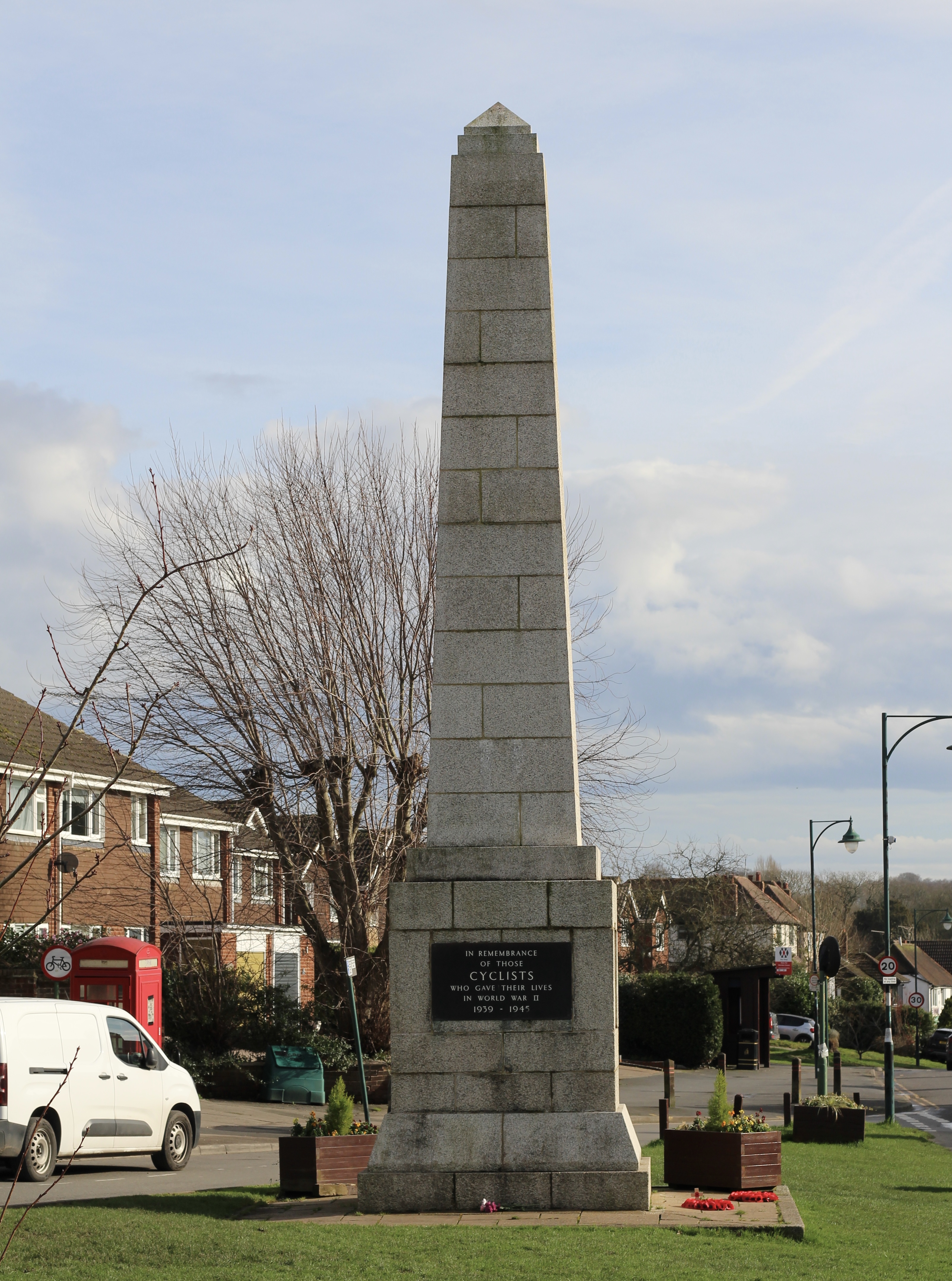
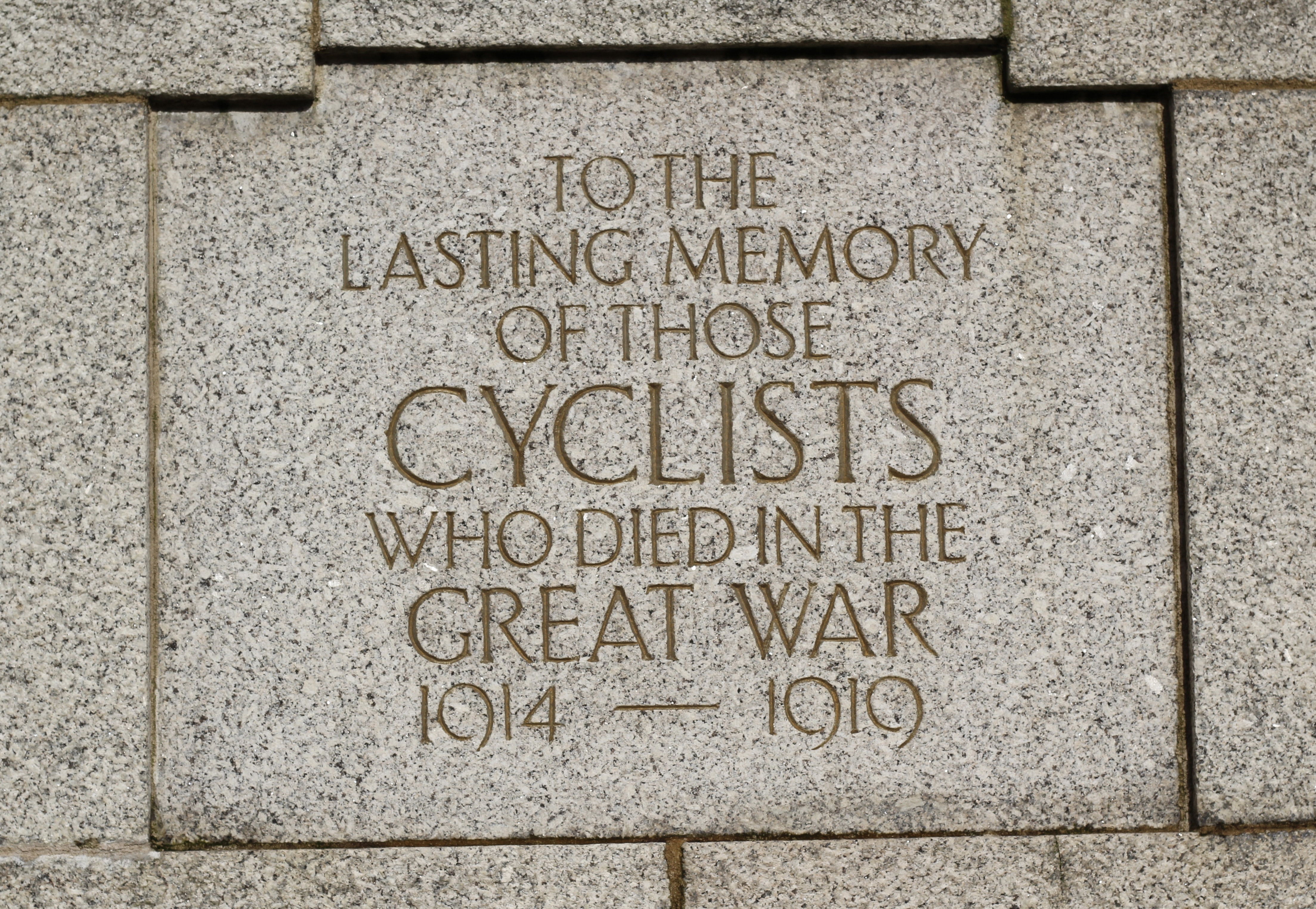
Two monuments on Meriden’s village green provided inspiration for where to head on its maiden voyage (well, first ride, voyage a touch of an overstatement given it took me 10 minutes or so from home). At one end there’s the National Cyclists’ Memorial, dedicated to those who lost their lives in the First and Second World Wars.

And at the other end of the green, a dedication to Wayfarer, Walter MacGregor Robinson, one of the original off-roaders and an inspiration to the founding of The Roughstuff Fellowship.
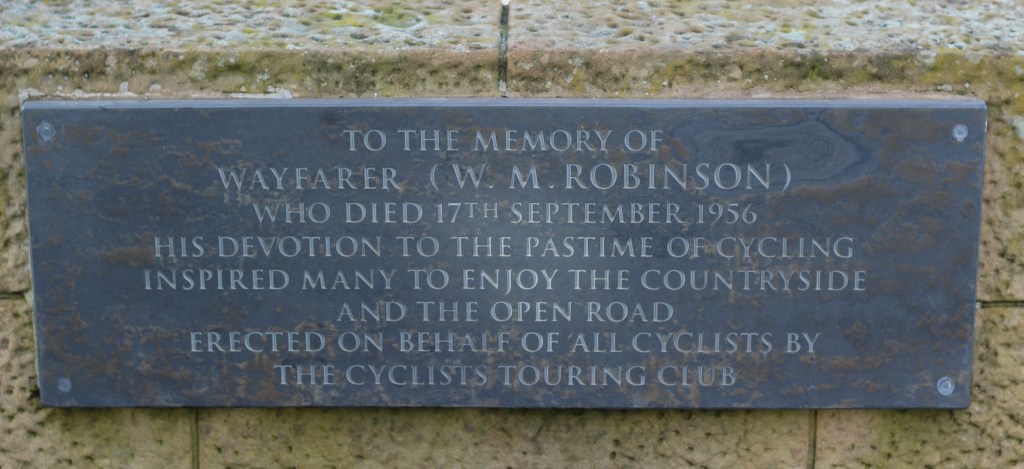
Meriden was once the location of the Triumph Motorcycles’ factory. Long gone, like pretty much all of Coventry’s engineering heritage. In the transport museum there is a list of all the companies that once made bicycles, motorcycles, and cars in the city – it’s a long one. What remains? Jaguar Land Rover and the company that makes the London black cabs, plus a few small scale bike frame builders.
Cycling back, I took a diversion into the churchyard of St John the Baptist in Berkswell. I got talking to a chap whose attention had been grabbed by The Green Bike. He’d ridden a bit in the past, mainly mountain bikes – competitive and for pleasure (he’d cycled the off-road Trans-Pyrenees). Turns out his father-in-law was quite an accomplished cyclist, representing England in TTs. Bill Bailey was his name, and quite a character – he got up to numerous adventures by bike (taking up mountain biking at 70) and as an engineer (among others, he worked for Massey Ferguson – another company no longer present in Coventry) he was someone who could turn his hand to all manner of things practical and able to fix most things. There’s plenty of people around here with such resourcefulness. Having worked in the former factories, they have the know-how to build and fix. In ‘Two Young Men Who Went West’, Tom Wolfe writes about the community Robert Noyce grew up in. Isolated, rural Iowa of the 1930’s and 40’s, where you fixed things yourself, and if new parts were required it would take weeks for them to arrive, if you could afford them. The alternative? Make them yourself, or else improvise with another part. It’s an appeal of mechanical bikes, one’s without hydraulics and electronics – they can be fixed by yourself, and a little improvising goes a long way (viz the fun and games I have with mudguards).
The chap, he did tell me his name, but I’ve forgotten it, invited me round to his house to view the frame Bill Bailey used to TT on.

Now there’s a restoration project. It’s a Holdsworth, the red paint is clear to see, the rest of the frame looked to be something along the lines of Bianchi Celeste. It was great to hear stories about Bill Bailey, he sounds like someone who had a real lust for life, a joie de vivre that is inspiring. Life’s there for living, I’ve got to get on with it.
 Cyclokairos
Leave a comment