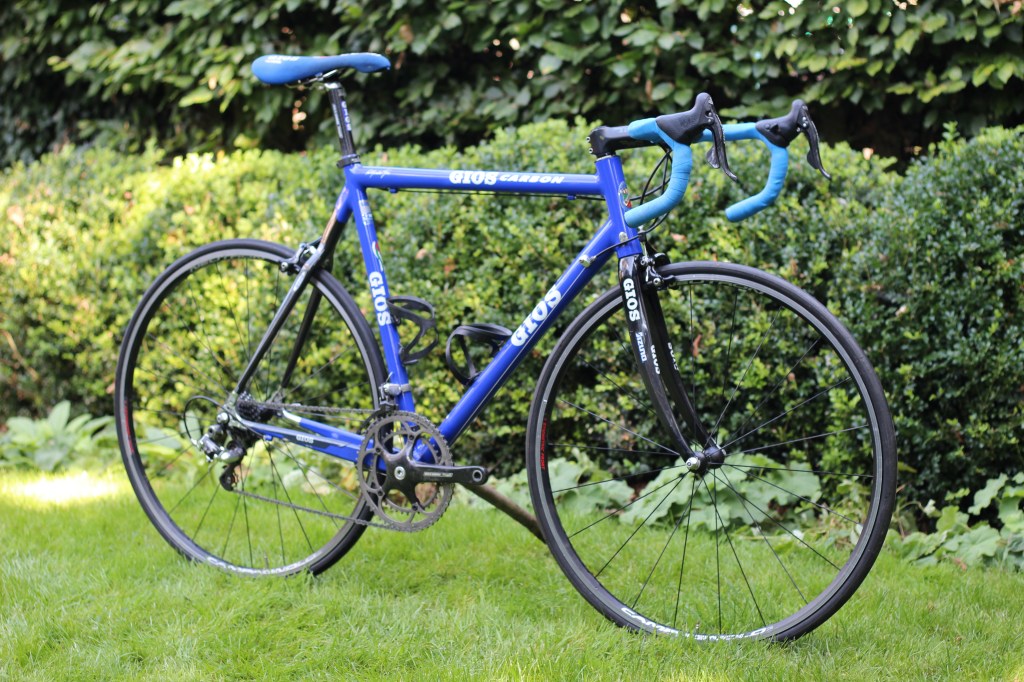
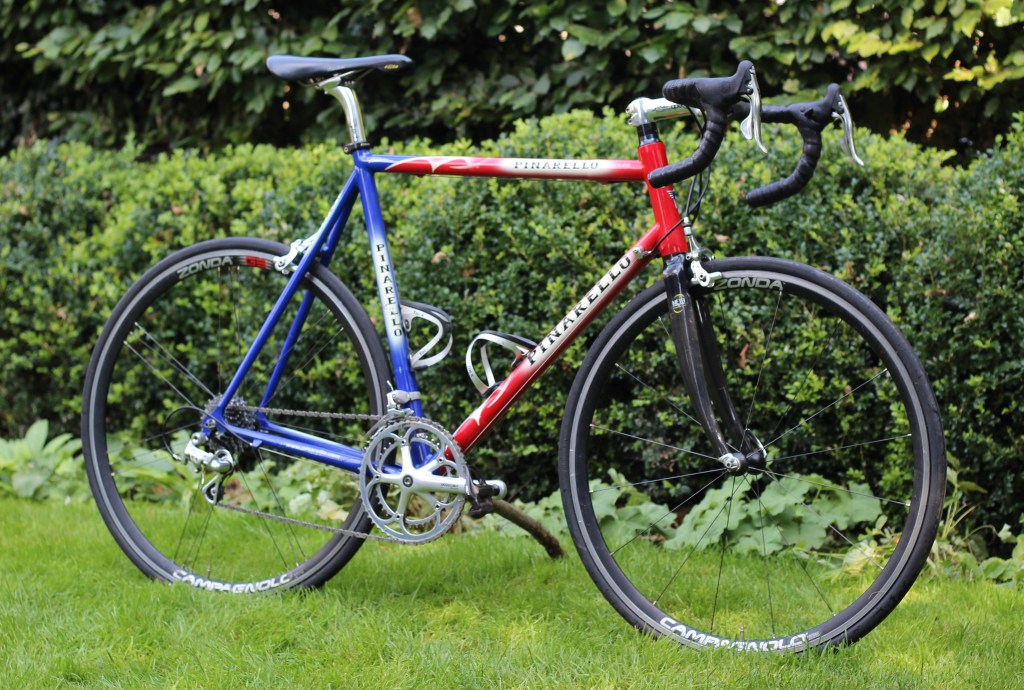
Other bikes, that I once rode but no longer do, unless on a turbo, and given how much I despise using a turbo, they really are bikes-I-once-rode-but-no-longer-do. Yet, keep them I do. They saw active service in the mid to late noughties, and are typical of the period: aluminium frame with carbon fork, the Gios having carbon seat stays too (I can’t remember the supposed benefit of such a configuration). The groupsets, 10 speed Campagnolo – have they ever been as good since?
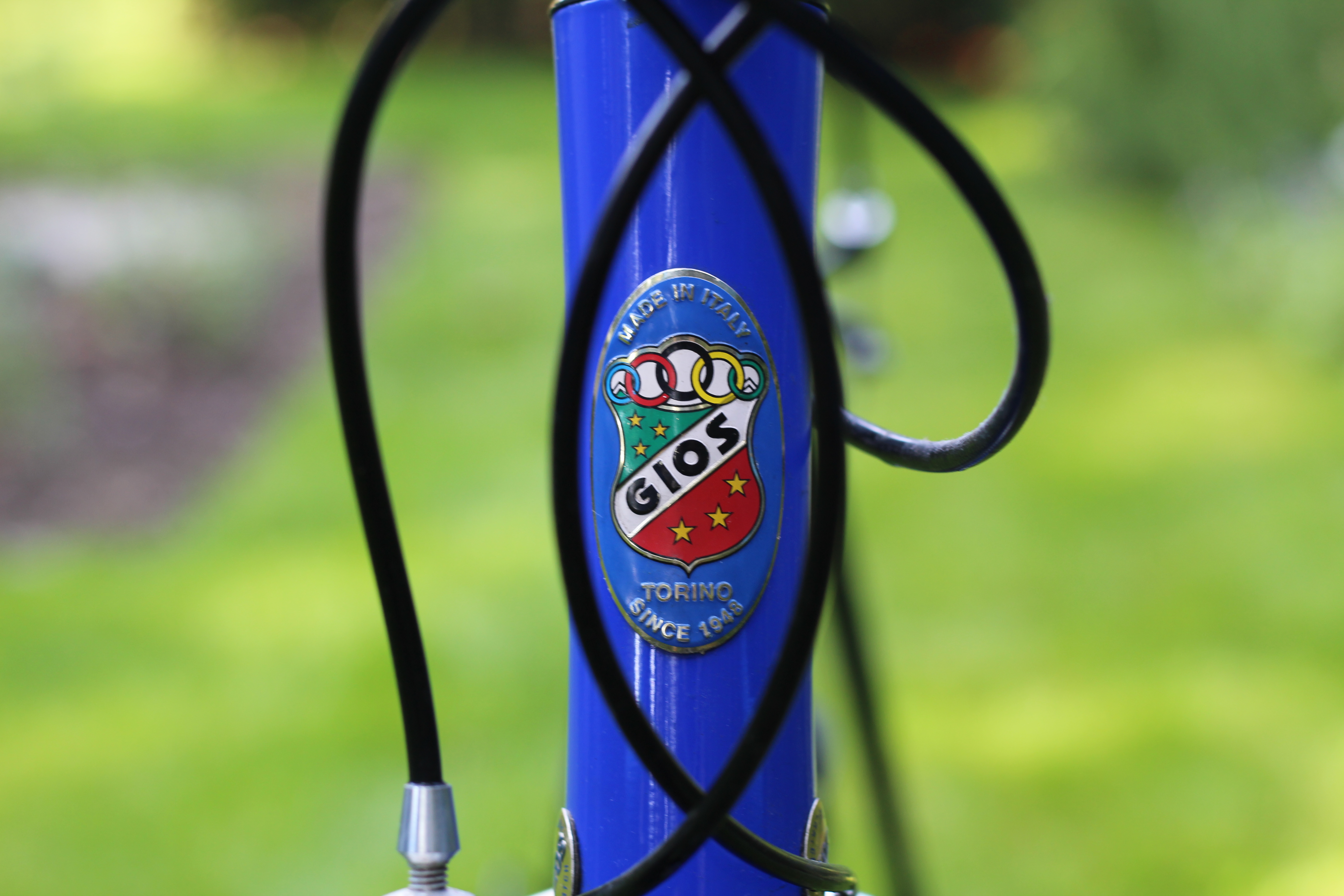
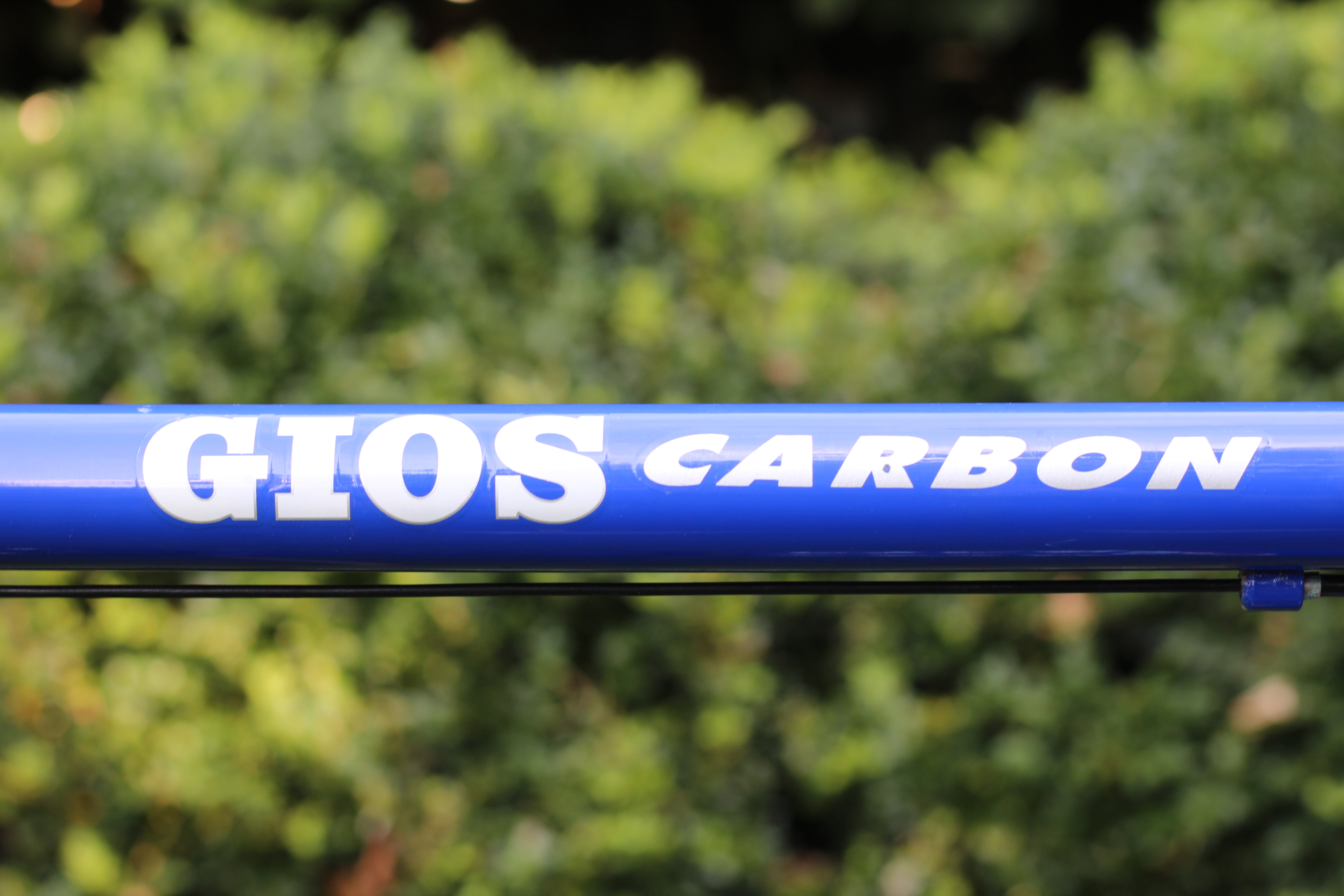
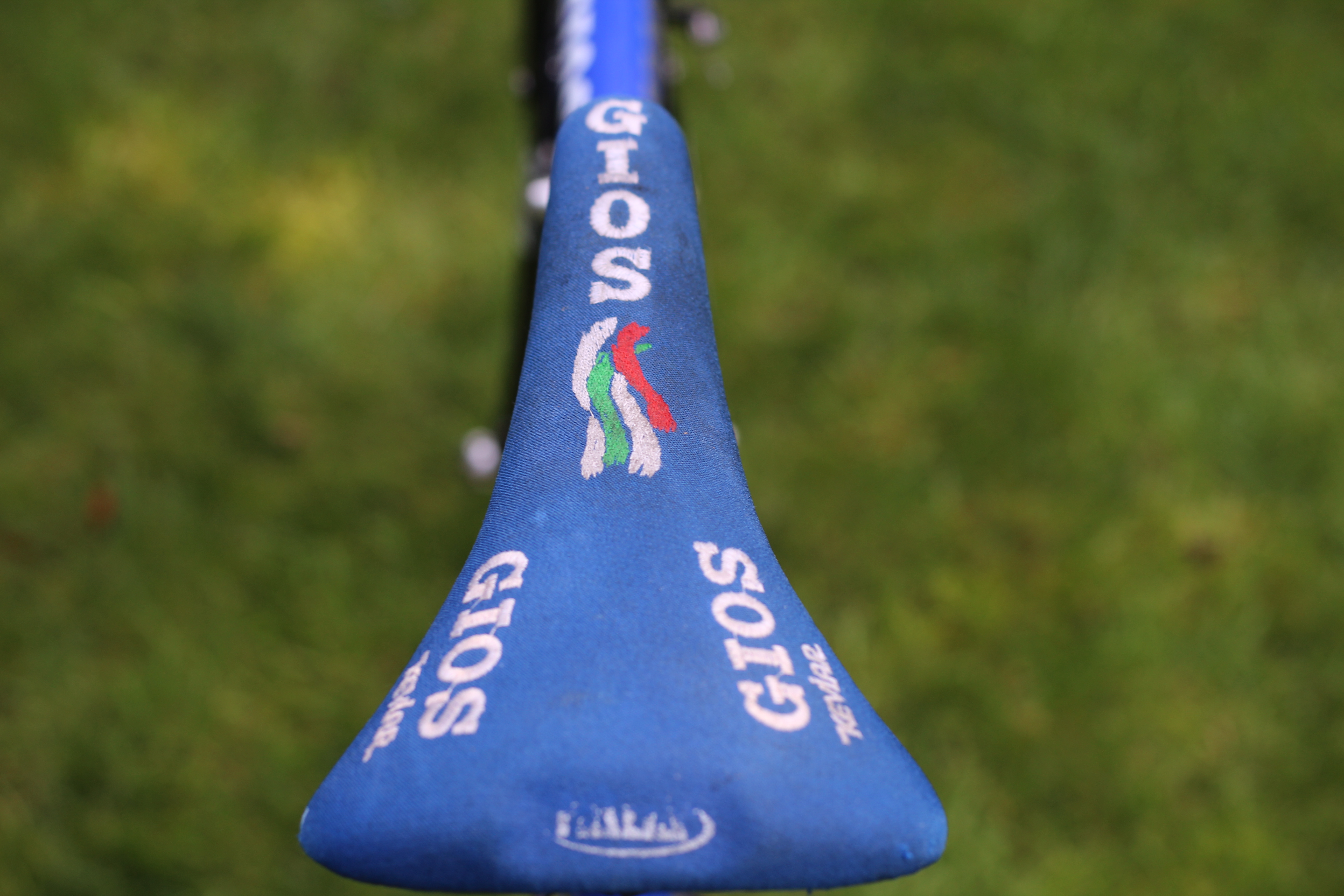
The Gios was the race bike, from when I had pretensions to being a racer – such folly. It has something of a history, once belonging to Josep Jufre from when he rode for Relax-GAM. He finished 14th at La Vuelta in 2005 riding a Gios. Whether it was this one, I’m unsure, this could have been his training bike. How did it come into my possession? My grandfather-in-law was something of mentor to up and coming cyclists from the Vic area in Catalunya, and knew Jufre from a young age. Come the end of the 2005 season, Jufre sold his team bikes, and voila, it came to me. It came in a proper pro set up – a long stem (14 cm!), that was slammed. The saddle-to-bars drop one reason why I no longer ride the bike, but back then, the younger me had no issue. It’s a beautifully made frame, from when they still made them in Torino, with the aluminium hydroformed to leave the smoothest of welds.


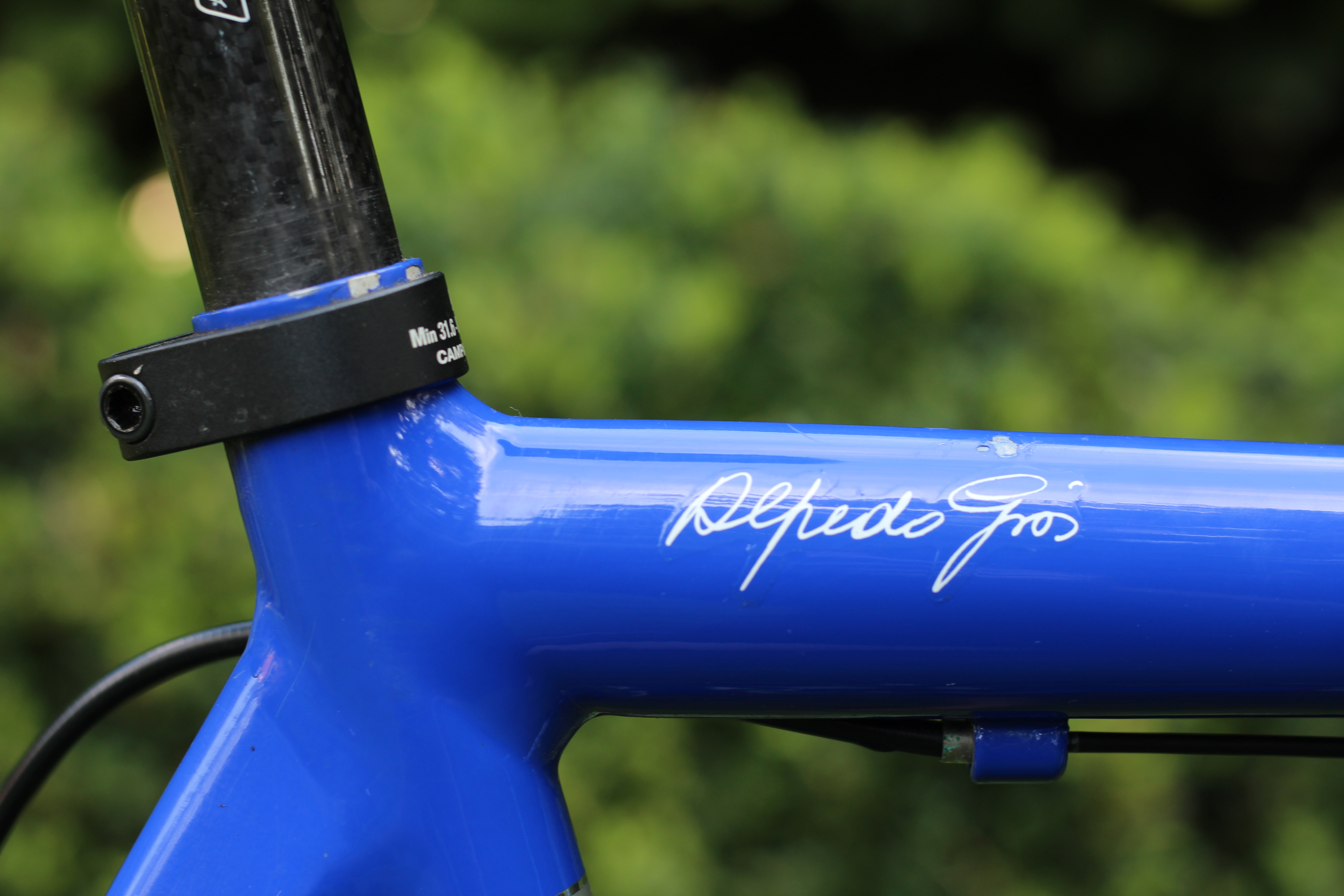
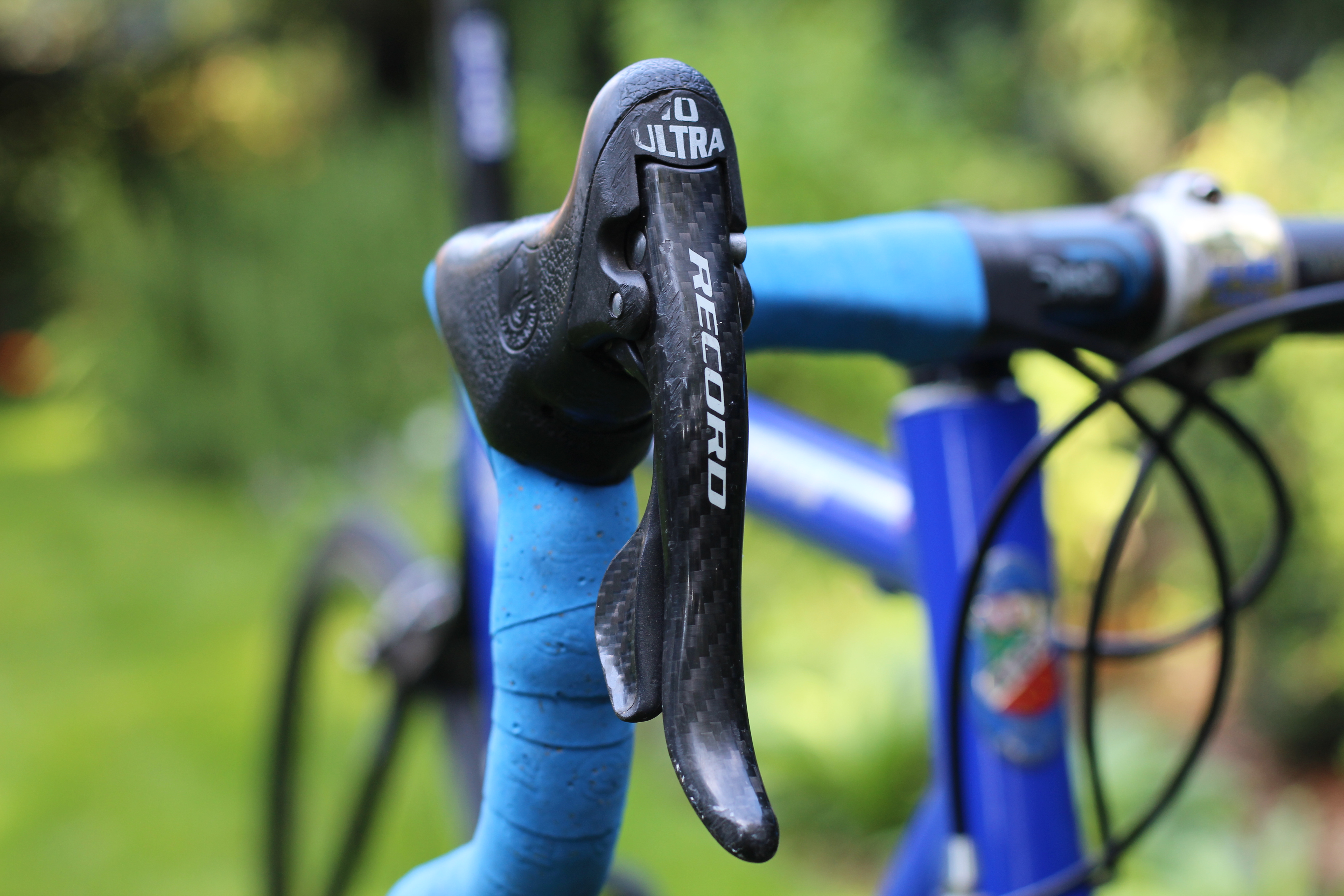
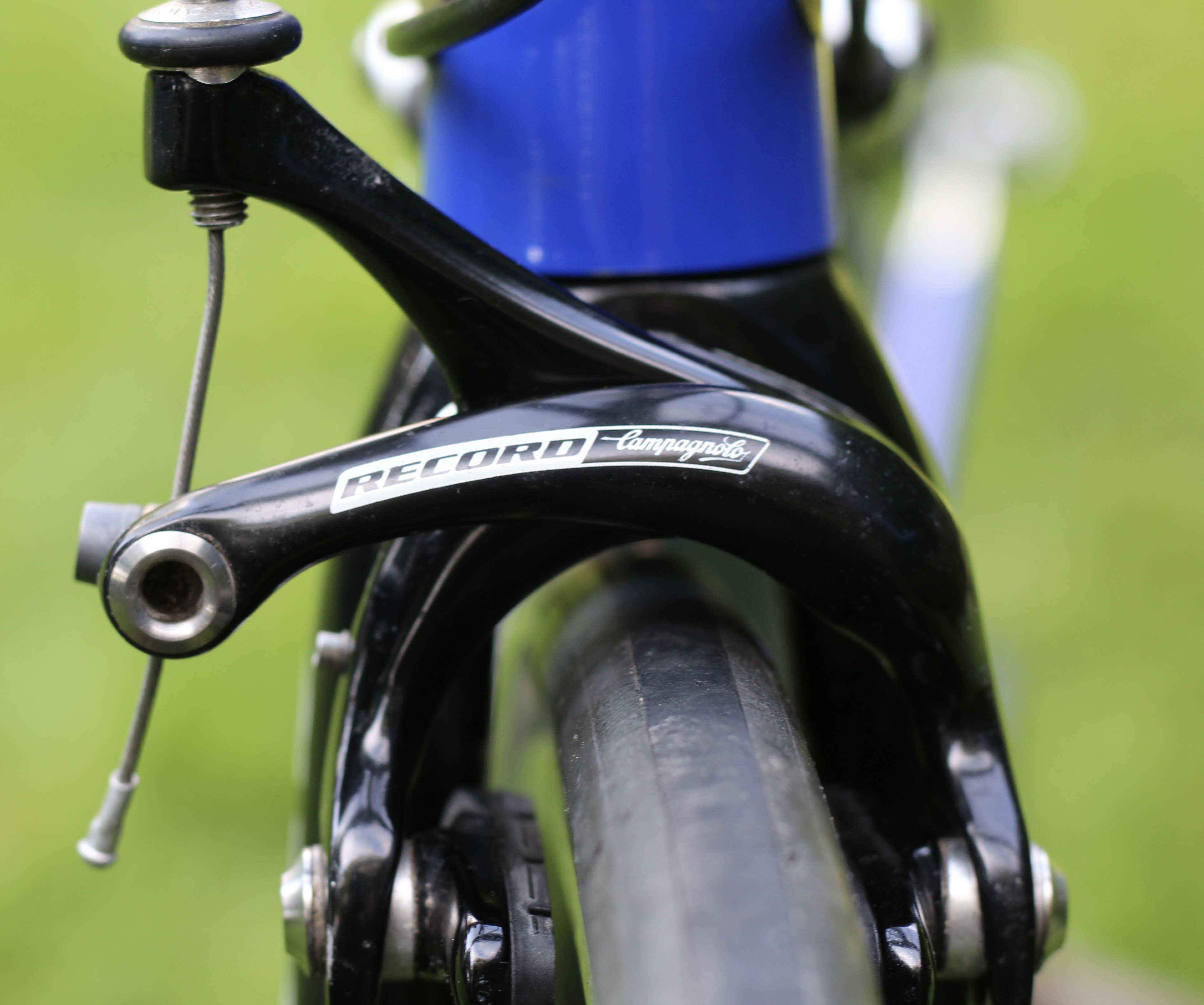
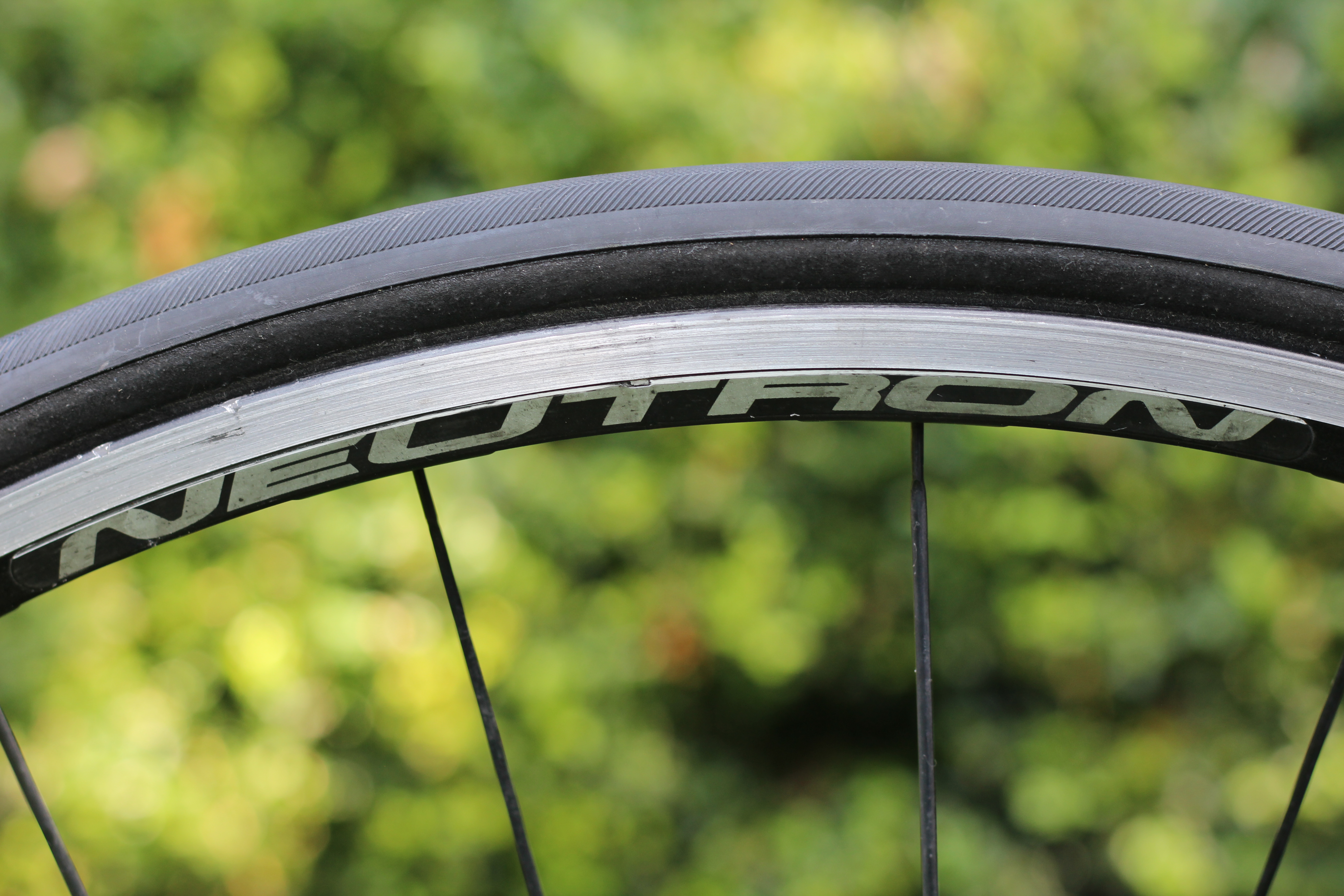
The groupset is Campagnolo’s top of the range from the time – Record with plenty of carbon and titanium. Over the course of thousands of kms, it performed flawlessly, and still does. I haven’t once had to tweak the gears, they still shift with the same reassuring clunk (agricultural was the disparaging description at the time, but I like it). The seat post and wheels are also Campagnolo, the saddle a Gios-branded Selle Italia Flite, and the bars and stem are Deda. For pedals, I used Campagnolo pro-fit from that era, which now blistered with aluminium oxide, await restoration. An all Italian affair then, that’s ridiculously light compared to what I ride nowadays, but with that saddle-to-bar drop and thin tyres (23 mm) at 100 psi, not at the comfort levels I now prefer; and, in wanting to keep my original knees, the lowest gear of 39×23 a further deterrent from riding it.



The Pinarello was the training bike in the days of folly, and then, residing in Catalunya, it was the bike I rode whenever visiting the Catalan side of the family. Back then, the 39×29 lowest gear was enough for a country as lumpy as Spain. The Montseny Massif sits on the doorstep of my wife’s home village, and the Pinarello accompanied me up and down its contours, even getting me up to its high point of Turo de l’Home. Slightly further afield, the Pyrenees were ventured around too, a ride starting and finishing in Ribes de Freser, and taking in the Coll de la Merolla, the Coll de la Creueta (same derivation as cruel – yes, a tough one), and the Collada de Toses, sticks in the memory. I still ride in those parts, but a different steed; the Pinarello now sits attached to a turbo and ignored as much as possible in my trying to avoid the tedium of cycling indoors. Like the Gios, it’s Italian made, when Pinarello still did such things. The frame welds are not hydroformed, but still neat, and the paint job as lustrous as ever.
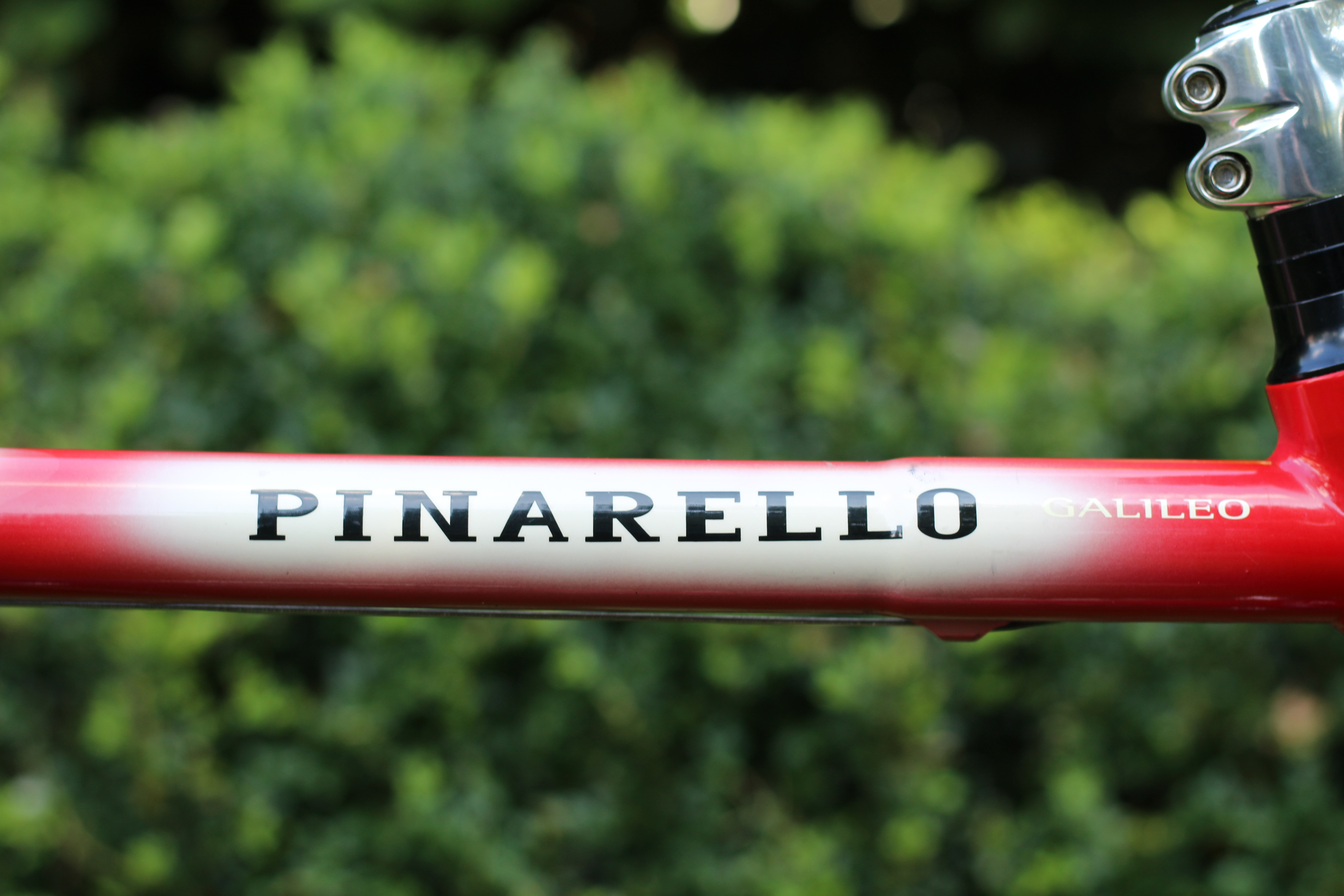
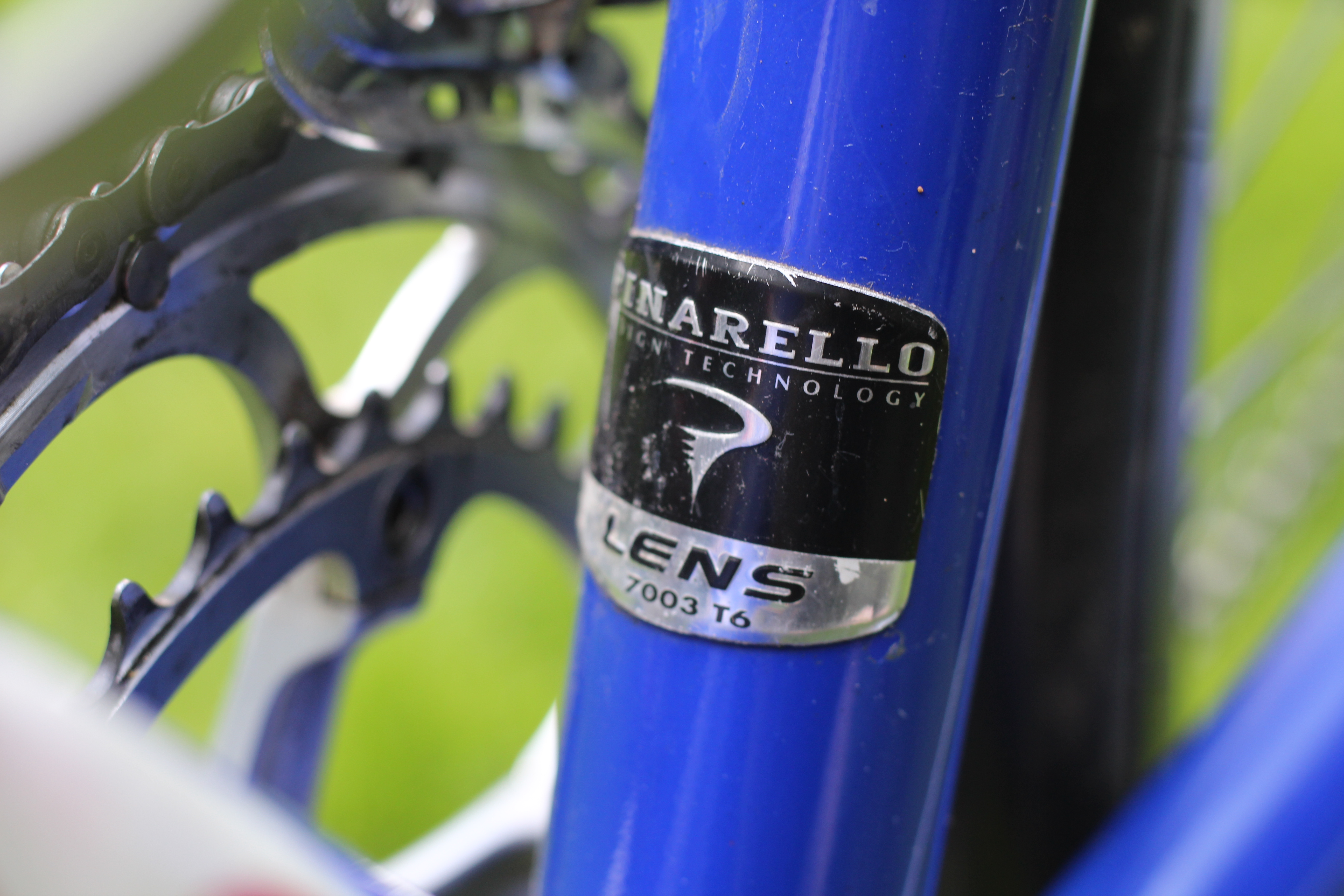
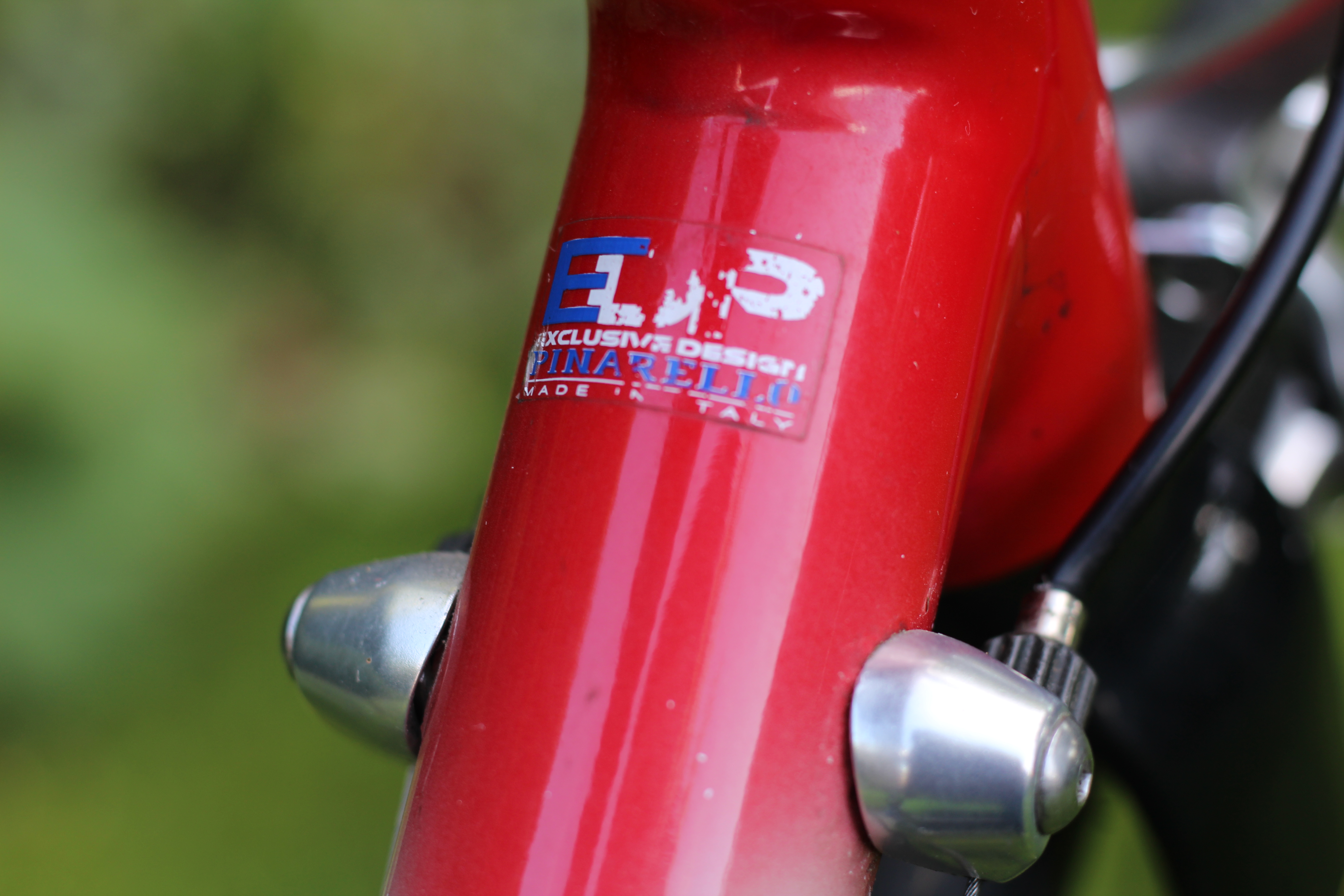
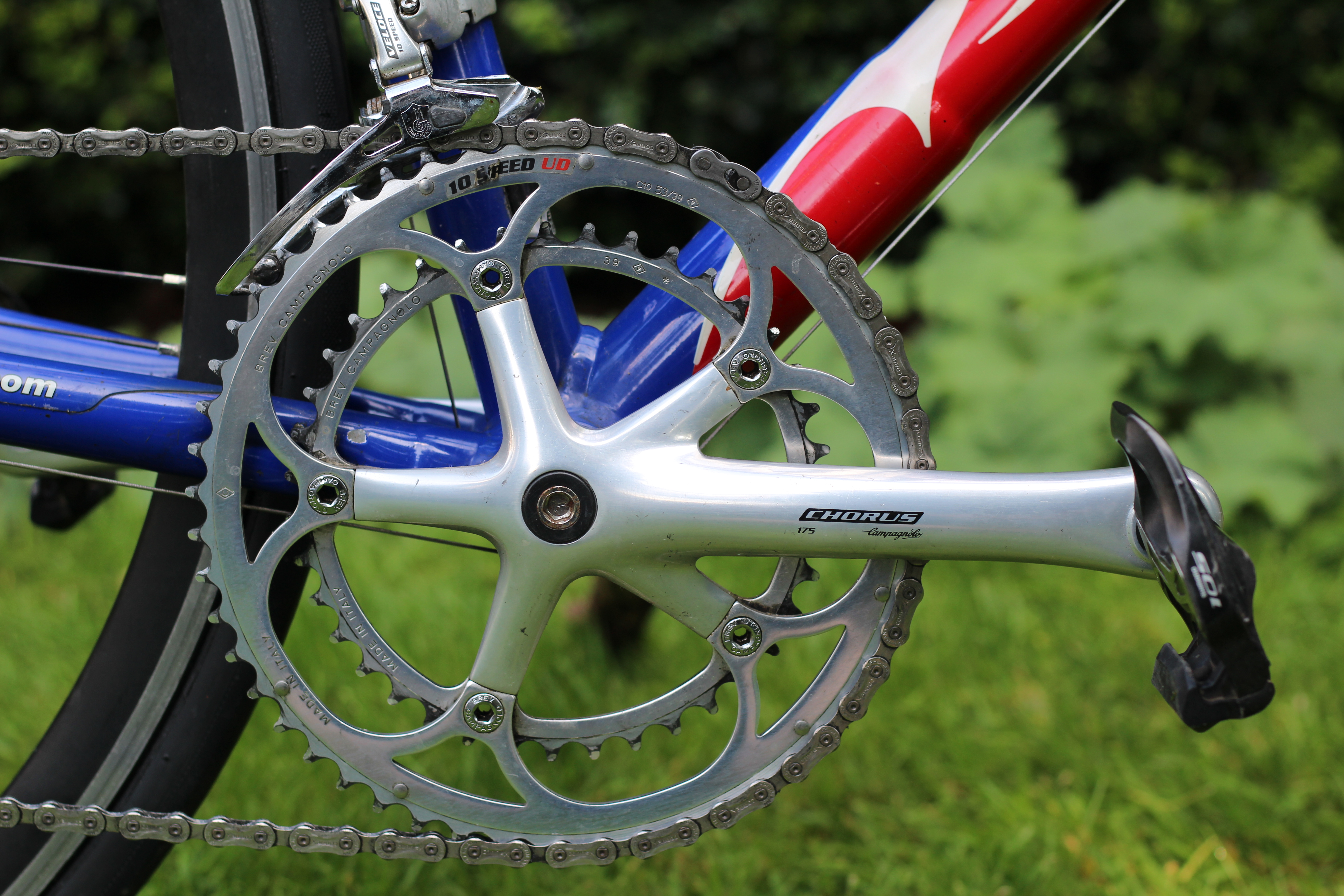
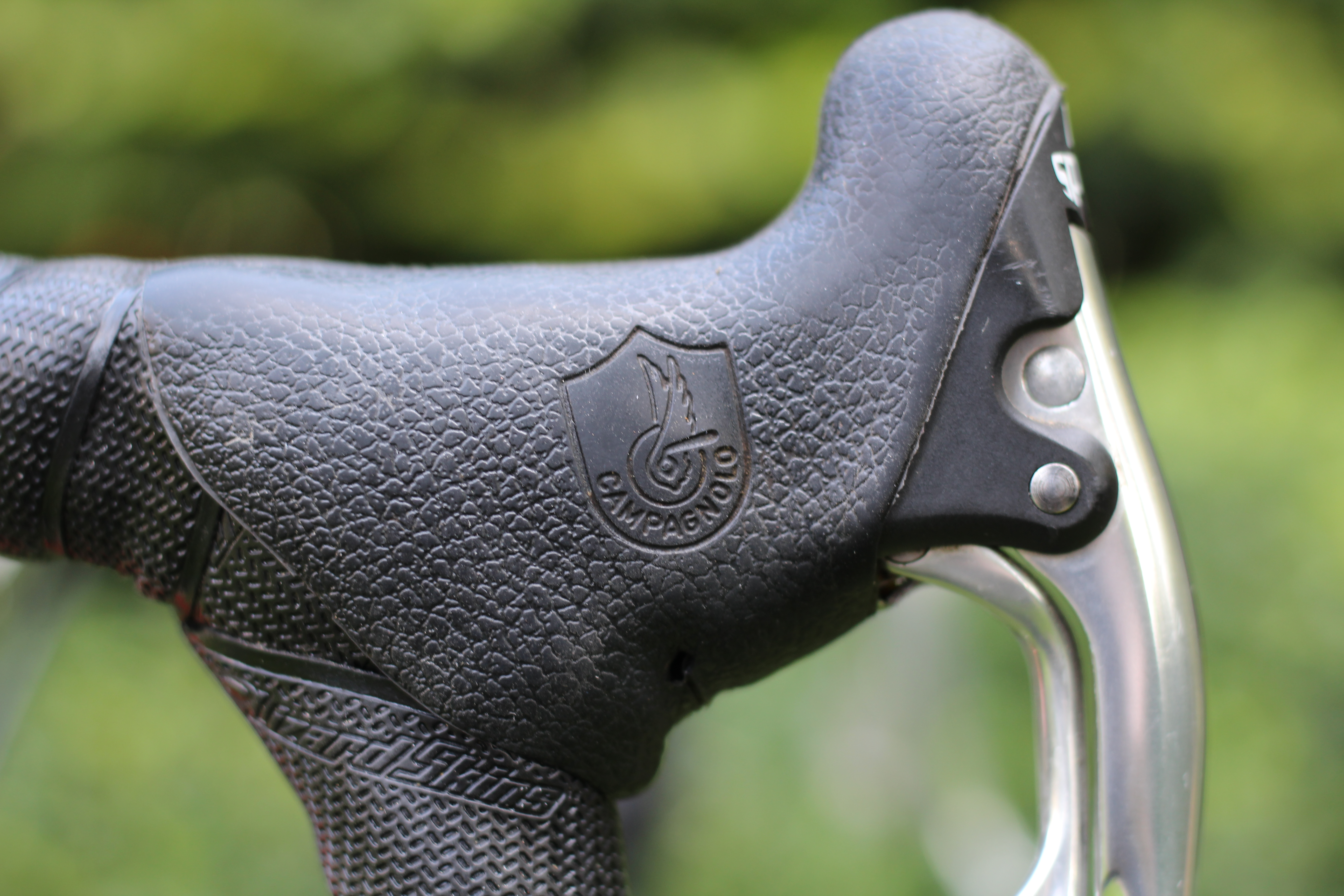
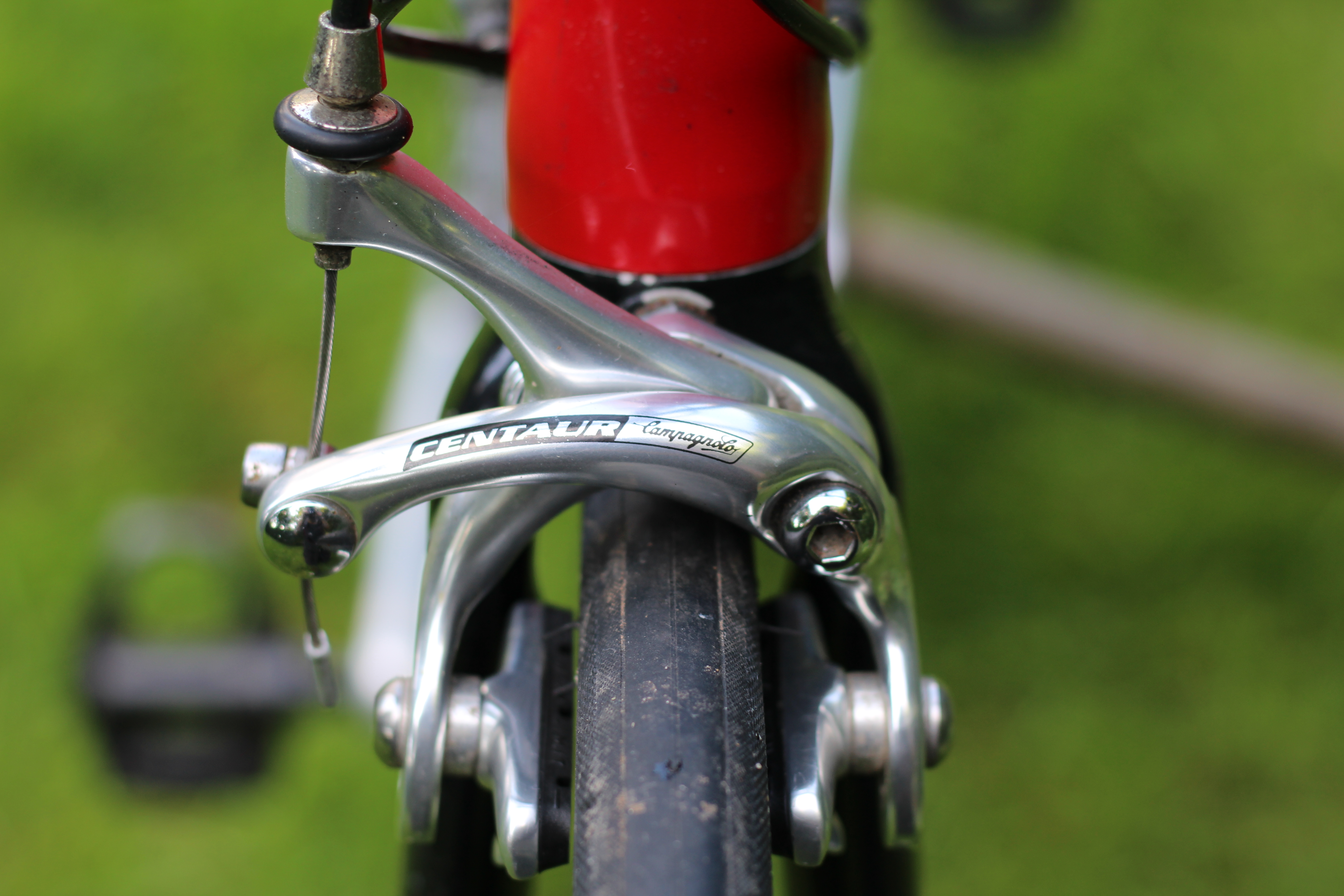
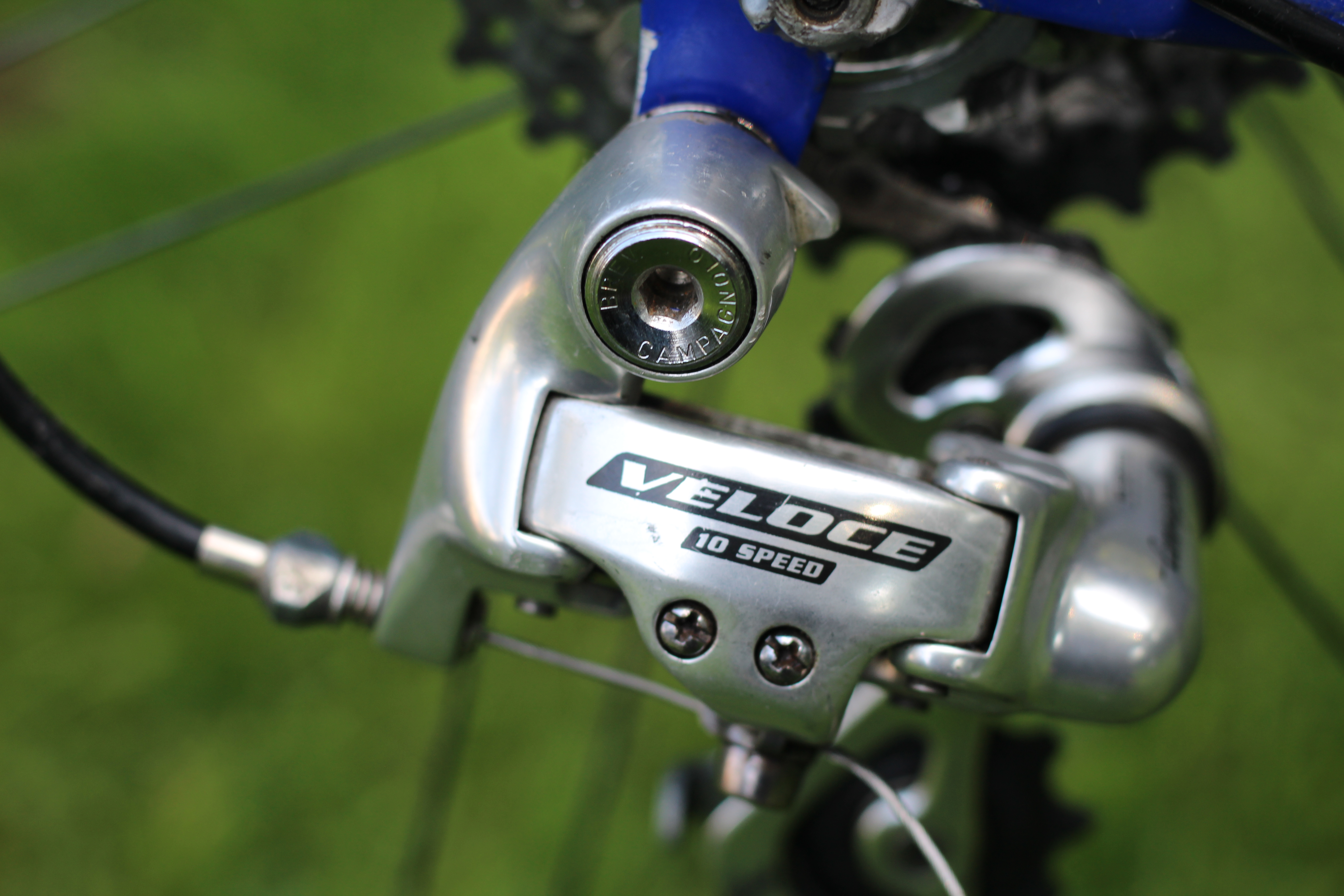
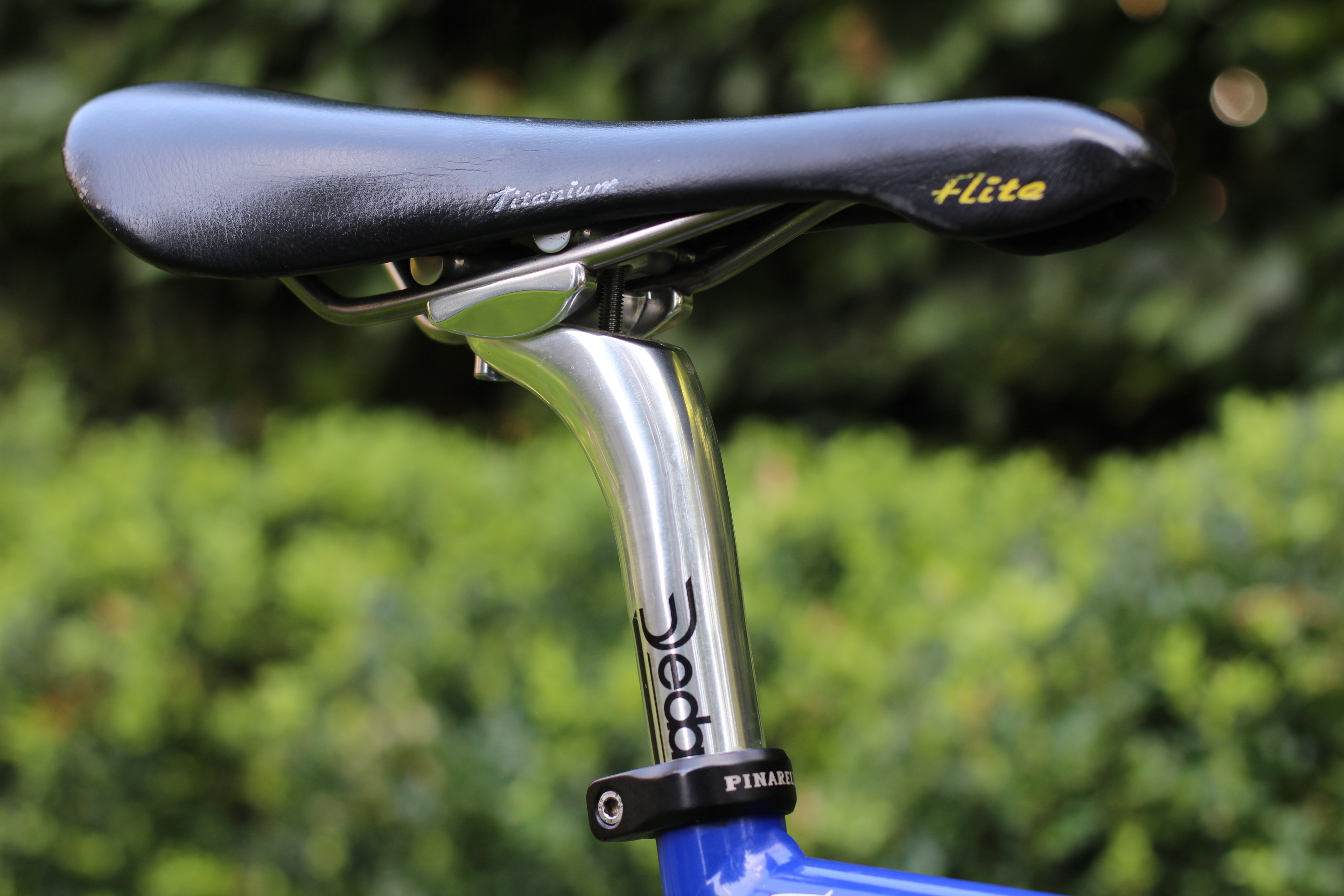
Again, the groupset, is 10 speed Campagnolo, but a mish-mash: Chorus, Centaur, and Veloce, but no Record. Still works a treat, and sporting plenty of silver, in line with my current tastes. Most of the other kit is Italian too: Campagnolo Zonda wheels, another Selle Italia Flite saddle, and Deda seatpost, stem, and bars; and, just like the Gios it did have Campagnolo pedals, but somehow Shimano muscled in….shameful, Christopher, shameful.




 Cyclokairos
Leave a comment